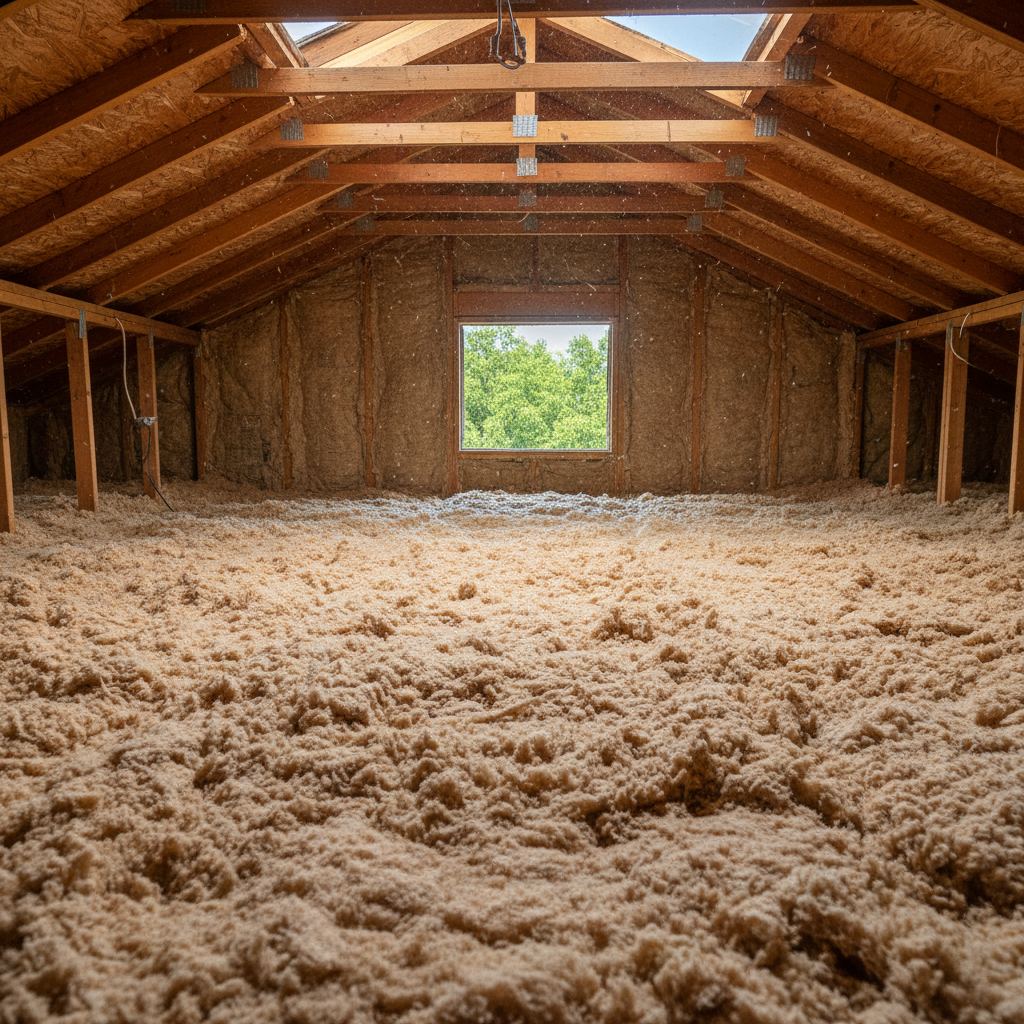
Alright, let's talk attic insulation. I've been doing this a long time here in Dallas, and I hear the same questions over and over. People want to know what's up with their attics, how to save money, and what's actually going to work in this Texas heat. So, I figured I'd just lay it all out for you, straight from my experience.
Do I even need more insulation if my house already has some?
Short answer? Probably. Most homes built before, say, the early 2000s, especially those older ranch-style places in North Dallas or the M-Streets, just don't have enough insulation by today's standards. Even newer homes might not have been done right. The energy codes have changed a lot over the years, and what was considered 'good enough' back then isn't cutting it now with these brutal summers we get. You might have some old fiberglass batts up there, but if it's thin, compressed, or got gaps, it's not doing its job. Think of it like a worn-out blanket; it just doesn't keep you warm (or cool) anymore.
What's the 'R-value' everyone talks about, and what R-value do I need in Dallas?
R-value is just a fancy way of saying how well the insulation resists heat flow. The higher the number, the better it insulates. For Dallas, the Department of Energy recommends an R-value between R-38 and R-60 for attics. Now, that's a pretty big range, right? What you actually need depends on a few things: what kind of insulation you're using, if you're insulating an unconditioned attic space or a conditioned one, and your budget. For most folks with a traditional unvented attic, we're usually aiming for R-38 to R-49 with spray foam, or R-49 to R-60 if we're doing blown-in fiberglass or cellulose. Don't just go for the lowest R-value; it's a long-term investment.
How long does attic insulation last? When should I replace it?
This really depends on the type of insulation. Fiberglass batts, if they stay dry and undisturbed, can last for decades, but they often get compressed or moved around. Blown-in fiberglass or cellulose also has a long lifespan, usually 20-30 years, as long as it doesn't get wet or infested. Spray foam? That stuff is practically permanent once it's cured; it'll last the lifetime of your home. You should consider replacing or adding to your insulation if it's visibly compressed, moldy, damp, or if you've had pest issues. If you're seeing a lot of dust, or your energy bills are suddenly through the roof, it's worth getting it checked out.
Will new insulation really lower my energy bills? How much?
Absolutely, it will. This isn't marketing fluff; it's physics. Your attic is a huge source of heat gain in the summer and heat loss in the winter. If that barrier isn't doing its job, your AC and furnace are working overtime. I've seen homeowners save anywhere from 15% to 30% on their heating and cooling costs after a proper insulation upgrade. The exact savings depend on your home's age, existing insulation, window efficiency, and how well sealed your ducts are. But trust me, it makes a noticeable difference, especially when it's 105 degrees outside and that Dallas sun is beating down.
What about pests? Can insulation help keep them out, or do they get into it?
It's a mixed bag. Some types of insulation, like cellulose, are often treated with borate, which can deter some pests like roaches and silverfish. Spray foam, once it expands and hardens, creates a really tight seal that makes it much harder for rodents and insects to get into your living space through cracks and gaps in the attic floor. However, no insulation is a silver bullet against pests. If you've got a rodent problem, they'll burrow into fiberglass or cellulose to make nests. The best defense is always to seal up any entry points first, then insulate. Don't just throw insulation on top of a pest problem; you'll regret it.
Is it okay to do attic insulation myself, or should I hire a pro?
Look, I'm a contractor, so you might think I'm biased, but here's the honest truth: some parts you can DIY, some parts you really shouldn't. If you're just adding a few more inches of blown-in insulation over existing, relatively clean insulation, and you rent the machine, you can probably handle that. But if you're dealing with old, dirty, or moldy insulation, or if you're considering spray foam, you need a pro. Spray foam requires specialized equipment, training, and safety gear. Plus, getting the right R-value and making sure there are no gaps or thermal bridges is crucial. A poorly installed job can actually make things worse. For a big investment like this, you want it done right the first time. That's where a company like Efficiency Spray Foam Insulation Dallas comes in; we know how to handle these attics properly.
What's the deal with attic ventilation? Does it matter with new insulation?
Oh, absolutely it matters, and it's often misunderstood. For a traditional, vented attic, proper ventilation (soffit and ridge vents, or gable vents) works with your insulation to keep the attic temperature closer to the outside air temperature. This helps prevent heat buildup in summer and moisture issues in winter. However, if you're going with an unvented attic assembly, which is common with spray foam applied to the underside of the roof deck, then you actually seal off the vents. The goal there is to bring the attic space into the conditioned envelope of your home. So, it's not that ventilation doesn't matter; it's that the strategy changes depending on your insulation approach. Make sure your contractor understands the difference and designs a system that works for your specific home.