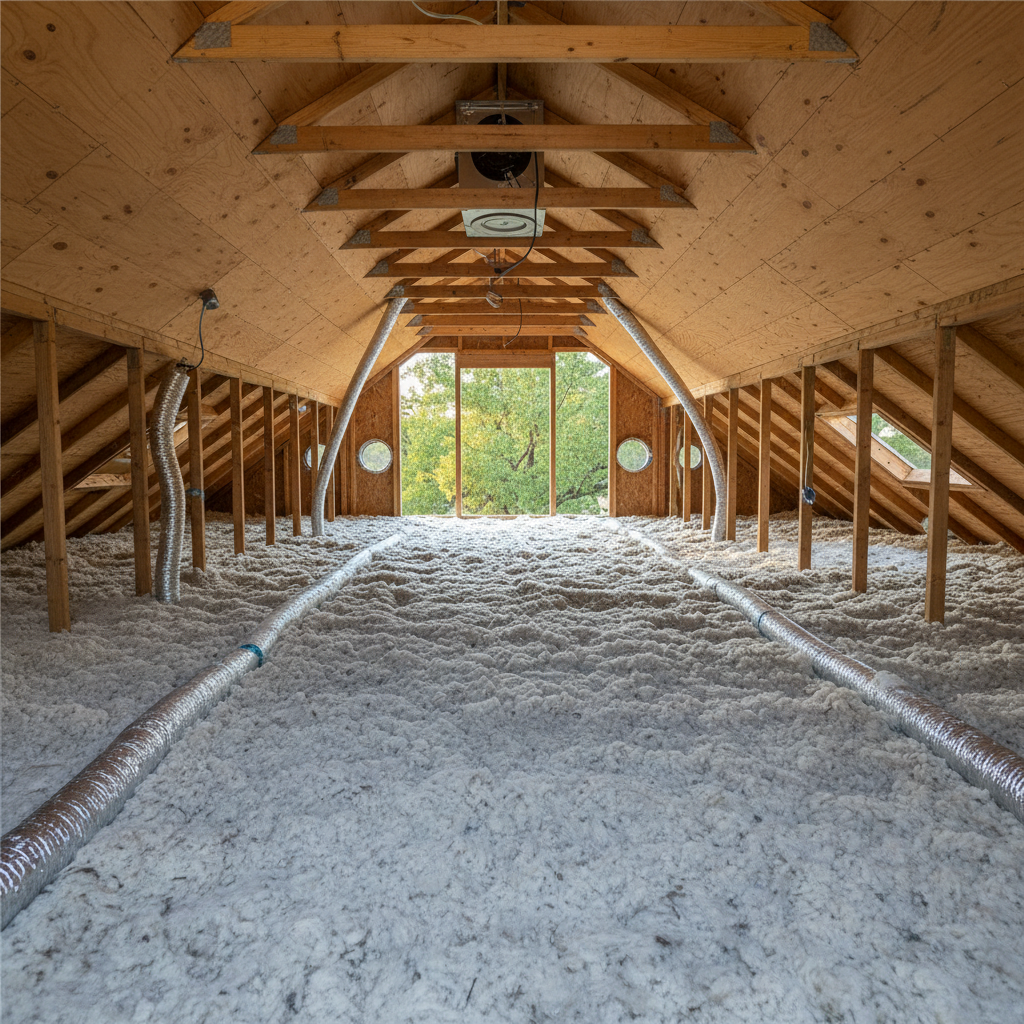
Alright, so you're looking at your energy bills and thinking, "Enough is enough." Or maybe you've just noticed your AC unit working overtime to keep your Dallas home cool through another scorching summer. Good on you for considering attic insulation. It's one of the best investments you can make in your home's comfort and efficiency, especially here where the heat just *sits* in your attic.
Planning a project like this can feel a bit daunting if you haven't done it before. You're probably wondering what the whole thing looks like from start to finish. Let me break it down for you, based on what I've seen and done countless times.
Project Timeline: What to Expect
From your first call to the final cleanup, here’s a rough idea of how long things usually take. Keep in mind, every house is different, but this is a good general guideline.
Initial Contact & Consultation (1-3 days): You reach out to a few companies. A good contractor, like us at Efficiency Spray Foam Insulation Dallas, will schedule a time to come out, inspect your attic, and talk through your options. This isn't just about giving you a quote; it's about understanding your specific needs and what's going on up there.
Quote & Decision (2-7 days): You'll get a detailed proposal. Take your time to review it, compare options, and ask any follow-up questions. Don't feel rushed into signing anything on the spot.
Scheduling the Work (1-4 weeks out): Once you've picked a contractor and signed the agreement, you'll get on their schedule. Good companies are often booked a little ways out, especially during peak seasons (like right before summer or winter hits hard).
The Installation Day(s) (1-3 days): For most residential attics, the actual insulation work can be done in a single day. Larger or more complex attics, or jobs that involve extensive old insulation removal, might stretch into a second day. We're talking about getting in, getting the job done right, and getting out efficiently.
Post-Installation (Immediate): You should feel the difference pretty quickly. Your HVAC won't be running as hard, and rooms will hold their temperature better. It's a noticeable change.
What Happens During the Process?
Okay, so what does installation day actually look like? It's not just a bunch of guys showing up with some rolls of fiberglass. There's a process, and a good crew follows it to make sure you get the best results.
Arrival & Setup: The crew will arrive, introduce themselves, and start setting up. This usually involves laying down drop cloths to protect your floors and setting up their equipment. We're talking hoses for blown-in insulation or spray foam rigs.
Prep Work: If you have old, contaminated, or insufficient insulation, it'll need to be removed first. This is a crucial step for a clean, effective new layer. They'll also seal up any major air leaks they find around penetrations (like electrical wires, plumbing stacks, or recessed lights) to maximize your energy savings. This air sealing is often overlooked by less thorough contractors, but it's vital.
Installation: This is the main event. Depending on whether you chose blown-in fiberglass, cellulose, or spray foam, the crew will carefully apply the new insulation to the recommended R-value. For spray foam, it's a two-part chemical reaction that expands and seals everything up tight. For blown-in, it's a machine that fluffs up and blows the material into place evenly.
Cleanup: Once the insulation is in, the crew will clean up all their equipment, vacuum up any debris, and leave your home as tidy as they found it. We take pride in leaving a clean workspace.
How to Prepare Your Home
You don't need to do much, but a little prep on your end can make things smoother for everyone.
Clear the Attic Access: Make sure the attic entry point (usually a pull-down ladder or a scuttle hole in a closet) is clear of furniture, boxes, or anything else blocking it. We need easy access.
Move Valuables: If you store anything in your attic that you don't want getting dusty, or that's fragile, move it out beforehand. While we're careful, insulation work can stir things up.
Pets & Kids: It's best to keep pets and young children away from the work area, especially during spray foam application, due to the temporary fumes. We'll advise you on any specific ventilation needs or temporary relocation if necessary.
Parking: Let us know if there are any specific parking instructions for our trucks and equipment.
Smart Questions to Ask Before You Sign
Don't just go with the cheapest bid. Ask these questions to make sure you're getting a quality job from a reputable company.
What R-value do you recommend for my attic, and why? Here in Dallas, especially with our clay soils causing foundation issues and thus often air leaks, you want to make sure you're getting adequate R-value, typically R-38 to R-60, depending on your existing setup and goals.
Will you be air sealing my attic before insulating? This is huge. Insulation without proper air sealing is like wearing a winter coat with a giant hole in it. You're wasting money if they don't address air leaks.
What kind of warranty do you offer on the materials and the labor? You want peace of mind that the work is guaranteed.
Are your installers employees or subcontractors? Are they insured? You want experienced, insured professionals working in your home, not just some random day laborers.
Can you provide references or show me examples of similar work you've done? A good contractor will be happy to share their track record.
What's the cleanup process like? You shouldn't have to clean up after the crew leaves.
What's the total cost, and what's included in that price? Make sure there are no hidden fees or surprises.
Picking the right insulation and the right contractor makes all the difference. Do your homework, ask the tough questions, and you'll be enjoying a more comfortable, energy-efficient home in no time.