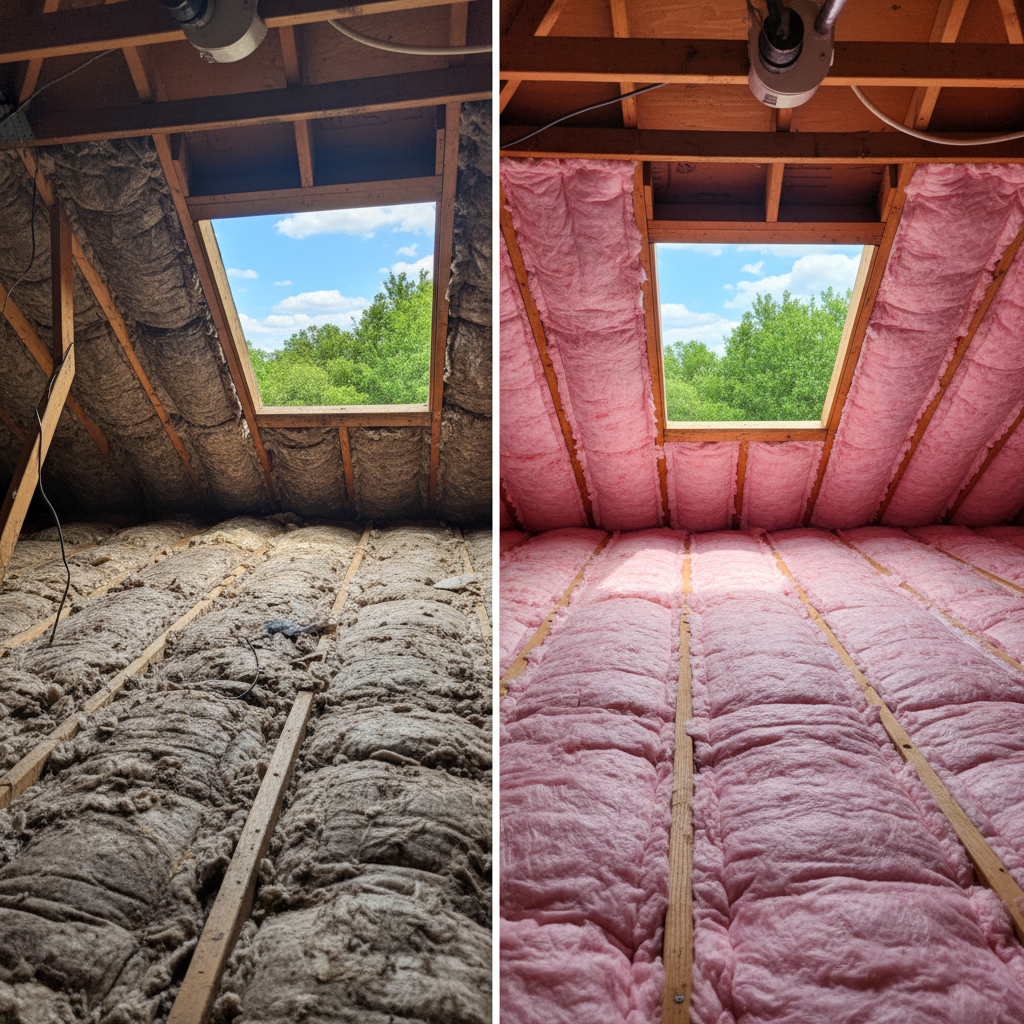
You're insulating your walls, and you've decided on batts. Good choice for a lot of folks, honestly. But then you hit the next decision: friction-fit or faced batts? It's not just about the R-value on the package; how they go in and what they do after can make a huge difference, especially with our wild Dallas weather swings.
Understanding Friction-Fit Batt Insulation
Friction-fit batts are exactly what they sound like. These are unfaced fiberglass or mineral wool insulation designed to be cut precisely and then squeezed into the wall cavity where they stay put by, well, friction. You won't find any paper or foil backing on these guys.
Pros of Friction-Fit:
- Better Cavity Fill: When someone installs them right, these batts can be cut to fit snugly around pipes, wires, and even those slightly off studs. That means fewer gaps and voids, which is crucial for stopping air leakage and heat transfer. You really want that tight fit, especially in older Dallas homes where studs aren't always perfectly spaced.
- Moisture Management: Without a vapor barrier attached, friction-fit batts let walls breathe a bit more. In our hot, humid climate, trapping moisture inside a wall can be a real headache, leading to mold and rot. This can be a big plus here.
- Cost-Effective: Often, the material cost for unfaced batts is a little less than faced options.
Cons of Friction-Fit:
- Installation Skill: This is where things get tricky. If the installer isn't careful about cutting and fitting every piece, you'll end up with gaps. Gaps mean air leaks, and air leaks mean your AC is working overtime, especially when it's 105 degrees outside. It's gotta be perfect, no shortcuts.
- No Vapor Retarder: While good for breathability, if your specific wall assembly or local code requires a vapor retarder, you'll need to add one separately, usually a plastic sheeting.
Understanding Faced Batt Insulation
Faced batts come with a paper (kraft paper) or foil backing already attached to one side. This facing usually acts as a vapor retarder and also has flanges that get stapled to the studs to hold the batt in place.
Pros of Faced Batts:
- Easier Installation (Sometimes): For a less experienced installer, stapling the flanges can feel more straightforward than trying to get a perfect friction fit. It's a clear method for securing the insulation.
- Built-in Vapor Retarder: The kraft paper facing acts as a Class III vapor retarder, which generally works for our climate here in Dallas. This simplifies the process by combining two steps into one.
- Holds Position: Once stapled, these batts aren't going anywhere. You don't have to worry about them sagging over time if someone installs them correctly.
Cons of Faced Batts:
- Gaps and Voids: This is the big one. When you staple the flanges, it often compresses the insulation at the edges, leaving small air gaps between the batt and the stud. Also, fitting around obstructions like electrical boxes or plumbing can be harder without tearing the facing, which leads to more voids. These gaps are energy leaks, plain and simple.
- Moisture Trapping Risk: While the facing is a vapor retarder, it can sometimes trap moisture if not installed correctly or if there are other moisture issues in the wall. You generally want to avoid multiple vapor barriers in a wall assembly, so if you're using faced batts, don't add another plastic sheeting.
- Fire Hazard (Kraft Faced): The paper facing is combustible. It needs to be covered by drywall or another approved finish material immediately after installation.
What I Recommend for Dallas Homes
Look, I've seen a lot of insulation jobs across Dallas, from the older homes in Lakewood to the new builds out in Frisco. When it comes to batt insulation in your walls, my recommendation is almost always friction-fit batts, installed by someone who knows what they're doing.
Here's why:
- Air Sealing is King: In Dallas, air leakage is a massive energy killer. Our extreme heat and humidity mean any air getting in or out of your conditioned space is costing you money. Friction-fit, when done right, provides a much tighter, more complete fill of the cavity. You want that continuous thermal barrier, don't you?
- Moisture Control: The ability for a wall to dry out is crucial here. While a vapor retarder is important, you don't want to overdo it. Unfaced batts, combined with a smart exterior sheathing and interior finish, allow for better moisture management in our climate.
- Performance Over Ease: While faced batts might seem easier to install, the potential for gaps and voids often negates any perceived benefit. A poorly installed batt, regardless of facing, just won't perform.
If you go with faced batts, make sure your installer is cutting and fitting them perfectly, not just stapling them up and calling it a day. They need to be cut tight, and any rips in the facing should be taped. But honestly, for the best performance, especially in our climate where every bit of efficiency counts, a well-done friction-fit job is going to serve you better in the long run. It's all about eliminating those thermal bypasses and air leaks.
At Efficiency Spray Foam Insulation Dallas, we primarily work with spray foam because of its superior air-sealing properties, but I've seen plenty of batt jobs done right and done wrong. If batts are your choice, make sure you're getting the right type and, more importantly, the right installation.