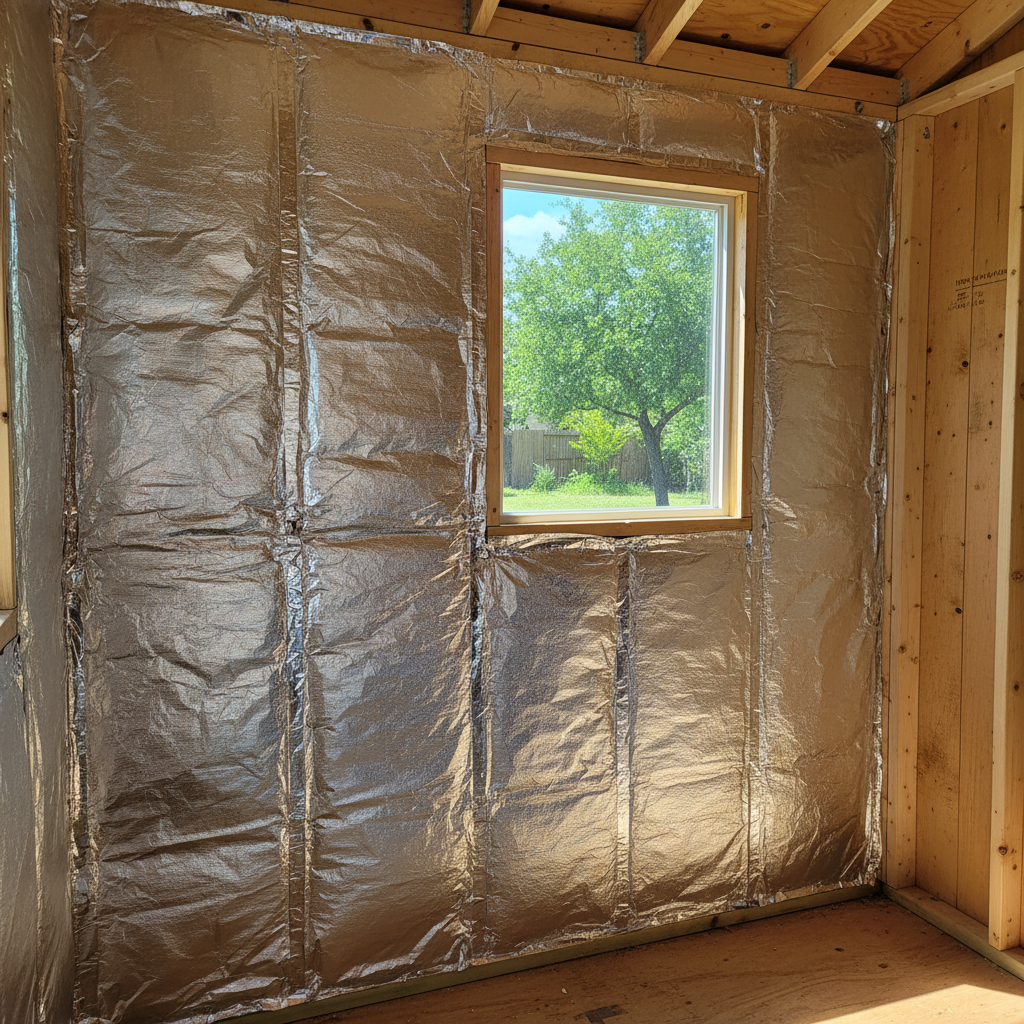
You put in the work, or you hired someone like us at Efficiency Spray Foam Insulation Dallas, to get your shed insulated. Good call, especially with our Texas heat and those occasional cold snaps. But insulation isn't a 'set it and forget it' kind of deal, not if you want it to last and keep doing its job. You've got to give it a little attention, especially in a climate like ours where things can get extreme.
Extend the Life of Your Shed Insulation
The biggest enemy of insulation, especially in a shed, is moisture. Our Dallas humidity, combined with sudden downpours, can really mess things up if you're not careful. So, first things first, make sure your shed is watertight. That means checking the roof for any missing shingles or cracks, inspecting the siding for gaps, and making sure the windows and doors seal up tight. Even a small leak can introduce enough moisture to compromise insulation over time, leading to mold or reduced R-value.
Another thing is ventilation. A lot of folks think sealing a shed completely is the way to go, but you still need some air movement to prevent condensation, especially if you're storing anything that might off-gas or if there's a big temperature difference between inside and out. A simple vent, high and low, can make a huge difference. Just make sure it's screened to keep critters out.
Finally, think about what's around your shed. Trees too close can drop leaves and debris, blocking vents or holding moisture against the siding. Keep the area clear, and make sure water drains away from the foundation, not towards it. Our clay soils around here, like in areas of Plano or Mesquite, can really swell and shift with moisture, so proper drainage is crucial to prevent foundation issues that could impact your shed's integrity and, by extension, its insulation.
Regular Maintenance: What to Look For
You don't need to be an expert to do a quick check-up. I'd say do a visual inspection at least twice a year, maybe once in the spring after the winter rains and again in the fall before things get cold. Here's what I'd look for:
- Exterior Integrity: Walk around the shed. Any cracks in the siding? Loose trim? Is the roof looking good? Pay attention to flashing around vents or chimneys if you have them.
- Interior Walls: Look for any signs of water stains, discoloration, or peeling paint on the interior walls or ceiling. These are big red flags for moisture intrusion.
- Air Leaks: On a windy day, stand inside and feel for drafts around doors, windows, and corners. You can also use a lit incense stick; if the smoke wavers, you've got an air leak.
- Pests: Look for any signs of rodents or insects. Droppings, chewed materials, or nests mean they've found a way in, and they love to make homes in insulation.
- Odor: A musty smell is a strong indicator of mold or mildew, which means moisture is present where it shouldn't be.
If you have spray foam, it's pretty durable, but even it can be damaged by physical impact or prolonged exposure to UV if it's not coated. For fiberglass or cellulose, look for sagging, compaction, or areas where it looks wet or discolored.
Warning Signs of Problems
Beyond the regular checks, some things just scream