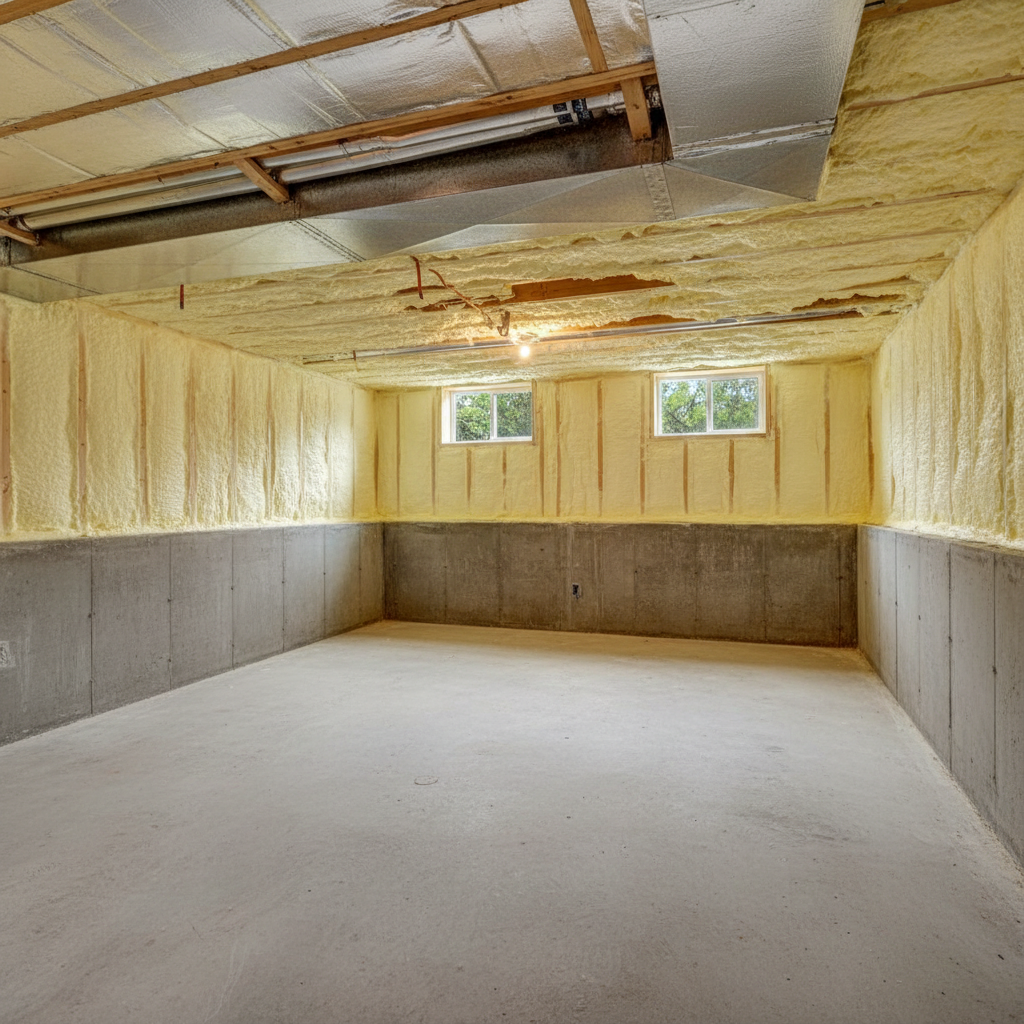
Insulating your basement isn't just about making things cozy; it's about getting your whole house to perform better. And let's be real, here in Dallas, those summer AC bills can really sting. A lot of folks still think basements are just for storing junk, but with the right insulation, you can totally transform that space into a comfortable, energy-efficient part of your home. So, how do we get this done?
How Long Does Basement Insulation Take?
Alright, let's talk timelines first. This isn't really a weekend DIY project, especially if you're leaning towards spray foam, which I honestly think is the best choice for basements. For most Dallas homes, a typical basement insulation job usually runs anywhere from 2 to 5 days from the moment we start to the moment we finish. That's assuming the area is already cleared out and ready for us, of course.
- Initial Consultation & Quote: This usually happens a day or two after you give us a call. We'll swing by, take a good look, measure everything up, and chat about your options.
- Scheduling: Once you've given the green light on the quote, we'll get you penciled in. Depending on how busy we are, that could be anywhere from a few days to a couple of weeks out. Good contractors tend to have full schedules, you know how it is.
- Preparation: This part is mostly on you, the homeowner. Clearing the space, protecting your valuables — we'll dive into that a bit more in a minute.
- Installation: For spray foam, the actual spraying usually takes 1-2 days for an average basement. If we're installing batt insulation or maybe a mix of different types, it might take a little longer.
- Curing & Cleanup: Spray foam needs some time to cure and off-gas. We'll make sure the area is well-ventilated, but you'll want to steer clear of that immediate space for at least 24-48 hours after we're done. Then, we come back for a final cleanup.
So, from that very first phone call to a fully insulated, ready-to-use basement, you're probably looking at a 2-4 week process overall. The actual work, though, happens over just a few days within that larger window.
What to Expect During the Process
When my crew, or another reputable outfit like Efficiency Spray Foam Insulation Dallas, shows up, here's generally what you can anticipate:
- Arrival & Setup: We'll be there on time, usually with a truck and trailer packed with all our gear. We'll lay down drop cloths and protect your floors and anything else along our work path.
- Ventilation: Especially with spray foam, getting enough fresh air in there is crucial. We'll set up fans and make sure there's good airflow.
- Application: Our technicians will suit up in all their protective gear — respirators, coveralls, you name it. Then they'll start applying the insulation. It gets a bit noisy, and there will be a distinct smell, particularly with spray foam, but it fades pretty quickly with proper ventilation.
- Curing & Off-gassing: Once the insulation is on, it needs time to expand and cure. This is when that smell is most noticeable. We'll tell you exactly how long to keep the area clear and well-ventilated.
- Cleanup: We'll pack up all our equipment, sweep up any debris, and leave the area just as clean as we found it.
It's a pretty straightforward process, really, but it definitely needs specialized equipment and training to get it right. You don't want to cut corners with insulation, especially in a basement where moisture can become a real headache if it's not handled correctly.
How to Prepare Your Basement for Insulation
Your prep work makes a huge difference in how smoothly the project runs. So, please do these things before we even show up:
- Clear Everything Out: This is the big one. Move all your furniture, boxes, stored items, and anything else out of the basement. Or, at the very least, move them away from the walls and ceiling where we'll be working. The more space we have, the faster and safer we can get the job done.
- Address Moisture Issues: This is absolutely critical for Dallas basements. Before any insulation goes in, you need to be 100% sure you don't have any leaks, cracks, or standing water. Insulation won't fix a moisture problem; it'll just hide it and make it worse down the road. Get any foundation repairs or waterproofing done first.
- Clean the Surfaces: Walls and ceilings should be free of dust, cobwebs, and any loose debris. This helps the insulation stick properly, especially spray foam.
- Secure Loose Wires/Pipes: If you've got any wires or pipes just hanging loose, please secure them to the joists or walls. We can't insulate around things that are just flopping around.
- Provide Access: Make sure there's a clear path from our truck straight to your basement. If we're bringing in large equipment, we need room to maneuver.
Basically, treat it like you're moving out of the basement for a few days. The less we have to move or work around, the better for everyone.
Questions to Ask Before Signing a Contract
You're investing good money into this, so you really need to be sure you're hiring the right people. Don't be shy about asking questions. Here's what I'd ask if I were in your shoes:
- Are you licensed and insured in Texas? This isn't optional. You need to see proof of both.
- What specific type of insulation do you recommend for my basement, and why? They should be able to clearly explain the pros and cons of different options (like closed-cell spray foam for moisture control, which, given our clay soils around Dallas, is often ideal for basements).
- What's the R-value I can expect? Make sure it meets or even beats local building codes and your own energy goals.
- What exactly is included in the quote? Is it just the insulation, or does it cover prep, cleanup, and getting rid of the old stuff? Are there any hidden fees I should know about?
- How do you handle ventilation and safety during the spray foam application? They should have a solid plan for keeping your home and family safe from fumes.
- Do you offer a warranty on your work? A good contractor stands behind their installation, period.
- Can you give me references from other basement insulation jobs you've done in Dallas? Definitely talk to other homeowners they've worked for.
- What's your estimated timeline for the whole project, from start to finish? Get a clear idea of when they can begin and how long it'll actually take.
Don't just jump at the cheapest bid, okay? You're investing in your home's comfort and energy efficiency for years to come. A quality job, done right the first time, will save you headaches and money down the road. Take your time, ask those tough questions, and pick a contractor you truly trust.